

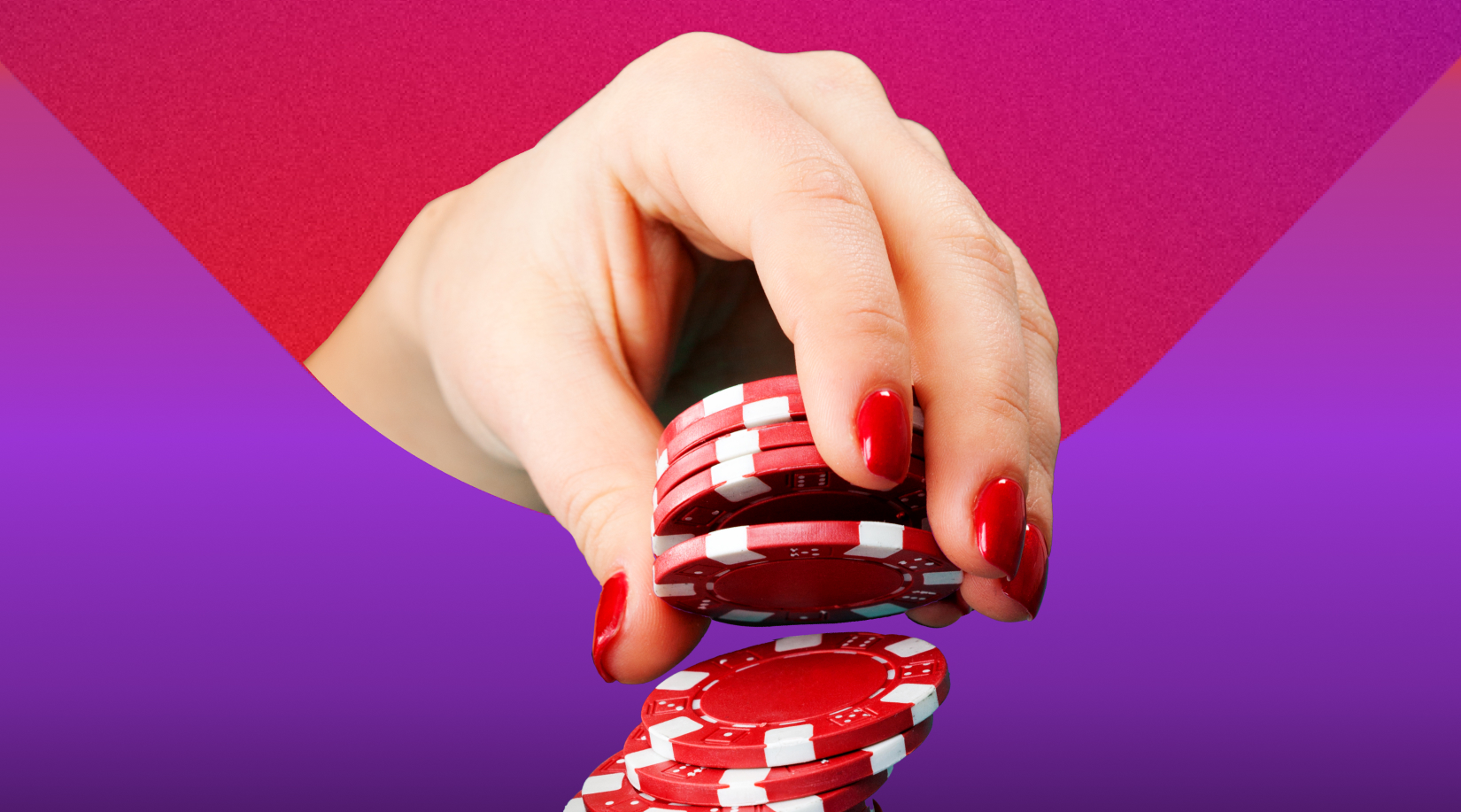
Poker is more than just a card game; it is a blend of strategy, psychology, mathematics, and risk management. Whether played casually at home or in professional settings, the game attracts millions because it challenges both the mind and emotions. Understanding poker deeply can transform the way you play, helping you build confidence, avoid costly mistakes, and maximize winning potential.
The Fundamentals of Poker
At its core, poker is about creating the strongest hand possible or persuading opponents to fold. Every version of poker follows the same principle of combining probability, skill, and psychology to achieve success. The most widely played variant is Texas Hold’em, but others like Omaha, Seven-Card Stud, and Five-Card Draw remain popular worldwide.
Basic Rules Every Player Should Know
-
Each game begins with betting rounds that determine the pot size.
-
Players are dealt cards either face up, face down, or both, depending on the variation.
-
Betting continues until the final round, when hands are revealed.
-
The player with the best hand or the last player remaining after all others fold wins the pot.
Mastering the rules is the first step, but understanding betting patterns and the psychology behind them is what separates average players from skilled ones.
The Role of Position in Poker
Position is one of the most important aspects of poker strategy. Being in a late position (acting after most players) gives you more information about their intentions, while being in an early position limits your insight.
-
Early Position: You need to play tighter, sticking mostly to premium hands since you act without much information.
-
Middle Position: Offers more flexibility, but caution is still necessary.
-
Late Position (Button and Cutoff): Provides the best opportunities, allowing you to make calculated moves after observing the table.
Strong players use position to their advantage, controlling the flow of the game and extracting maximum value from their hands.
Poker Hands and Probabilities
Understanding hand rankings is crucial. The standard hierarchy goes from the Royal Flush at the top to a simple High Card at the bottom. However, what often gets overlooked is probability. Knowing the odds of improving your hand during a betting round helps guide decisions.
For example:
-
Hitting a flush draw on the river has about a 19% chance.
-
Pocket pairs turning into sets occur roughly 12% of the time.
-
Winning with a bluff depends not just on cards but also on reading your opponents.
The Psychology of Poker
Poker is not only about cards; it is also about people. Reading opponents’ behavior, known as “tells,” is a skill that experienced players develop over time. These cues may be physical, like hesitation before betting, or behavioral, such as sudden changes in playing style.
Equally important is controlling your own emotions. Avoiding tilt (emotional frustration that leads to reckless play) is critical. A composed player always has an edge over one who lets emotions dictate strategy.
Bankroll Management: Protecting Your Game
One of the most overlooked aspects of poker is bankroll management. Even the best players face losing streaks, so managing money wisely ensures long-term survival.
-
Set aside a dedicated poker bankroll separate from personal finances.
-
Avoid playing at stakes that exceed your comfort zone.
-
Stick to the “5% rule,” meaning no more than 5% of your bankroll should be at risk in a single game.
Smart bankroll management prevents financial stress and allows for consistent growth.
Bluffing: Art and Science
Bluffing is an essential weapon in poker, but it must be used strategically. Bluff too often, and opponents will call you down. Bluff too little, and you miss chances to win pots without strong hands.
Effective Bluffing Tips
-
Choose the right opponents (tight players fold more often than loose ones).
-
Consider your table image. If you’ve been playing conservatively, a bluff appears more believable.
-
Use semi-bluffs when you have drawing hands, giving you backup potential if called.
Mastering bluffing requires balance, timing, and psychological insight.
Advanced Poker Strategies
Once the basics are mastered, advanced techniques can elevate your game further.
Pot Odds and Expected Value
Understanding pot odds means comparing the current size of the pot to the cost of a call. If the odds of hitting your hand are better than the pot odds, calling is justified. Expected value (EV) calculations help players make mathematically sound decisions over time.
Range Thinking
Instead of putting opponents on a single hand, advanced players assign them a range of possible hands. This approach provides a more realistic framework for decision-making.
Exploitative vs. GTO (Game Theory Optimal)
-
Exploitative play focuses on adjusting to opponents’ weaknesses.
-
GTO play aims for balance, making it hard for opponents to exploit your strategy.
The best players learn to shift between these approaches depending on the situation.
Live Poker vs. Online Poker
Playing poker online differs significantly from live games. Online games are faster, with more hands played per hour, and physical tells are absent. Instead, players rely on betting patterns and timing. Live poker, however, offers richer social dynamics and opportunities to read body language.
Popular Poker Variants
-
Texas Hold’em: The most famous version, central to tournaments and TV broadcasts.
-
Omaha: Similar to Hold’em but players receive four hole cards.
-
Seven-Card Stud: Once the dominant form before Hold’em took over.
-
Five-Card Draw: Often played casually, the classic home game style.
Each variant requires slight adjustments in strategy, but the fundamentals remain consistent.
Poker as a Career vs. Hobby
For some, poker is a full-time pursuit, requiring discipline, study, and a professional approach. For others, it remains an entertaining hobby. Both paths are valid, but it’s important to approach the game with clear goals, whether that’s enjoying friendly games or competing at the highest levels.
FAQ Section
How long does it take to become good at poker?
Improvement varies by individual, but consistent practice, study of strategies, and experience at the tables usually show results within six months to a year.
What is the biggest mistake beginners make in poker?
Beginners often play too many hands. Learning to fold weaker starting hands and exercising patience is crucial for long-term success.
Can you really make a living from poker?
Yes, but it requires exceptional skill, discipline, and bankroll management. Most successful players treat it as a business with calculated risks.
How important is luck in poker?
Luck influences short-term results, but skill dominates in the long run. Players who consistently make better decisions will outperform others over time.
Should I play poker online or live to learn faster?
Both have benefits. Online poker allows for more practice in less time, while live games sharpen social reading skills. A mix of both is often the best approach.
What is tilt and how do I avoid it?
Tilt is emotional frustration that causes poor decision-making. Avoiding tilt requires self-control, taking breaks when necessary, and maintaining perspective during losses.
