

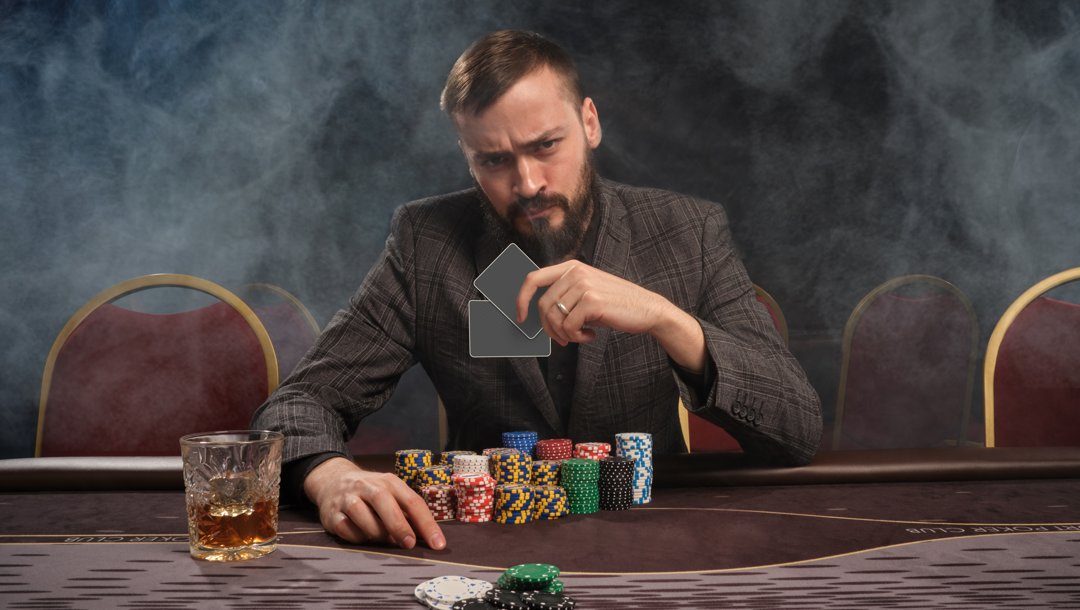
Bluffing is the heartbeat of poker’s psychological warfare. Beyond cards and chips, poker is a game of perception, deception, and decision-making under uncertainty. A successful bluff isn’t about lying recklessly—it’s about understanding how people think, react, and interpret incomplete information. This article explores the mental mechanics behind bluffing, why it works, when it fails, and how players can sharpen this subtle skill.
Understanding Bluffing in Poker
At its core, bluffing is the act of representing a stronger hand than you actually hold. Psychologically, it relies on influencing your opponent’s beliefs and nudging them toward a decision that benefits you.
Bluffing works because poker is a game of imperfect information. Players never see the full picture, so they subconsciously fill in the gaps using assumptions, patterns, and emotional cues.
Why Bluffing Exists at All
If poker were played with complete honesty, it would become predictable and mechanical. Bluffing introduces uncertainty, forcing opponents to constantly question:
-
Is this bet real or a performance?
-
What does their behavior usually mean?
-
Am I being manipulated?
This uncertainty is where psychology takes over.
The Mental Foundations of a Successful Bluff
A bluff succeeds not because of courage, but because it aligns with how humans process risk and fear.
Fear of Loss
Psychologically, people fear losses more than they value gains. This bias makes players fold decent hands rather than risk being wrong. A well-timed bluff exploits this instinct by applying pressure at moments of doubt.
Storytelling Consistency
Strong bluffs tell a coherent story. Every action—bet size, timing, posture—must match the narrative of a powerful hand. Inconsistencies trigger suspicion and cause bluffs to collapse.
Confidence Projection
Humans are highly sensitive to confidence cues. Calm movements, steady breathing, and decisive betting signal strength, even when the hand is weak.
Key confidence indicators include:
-
Controlled body language
-
Consistent bet sizing
-
Minimal hesitation before acting
Reading the Opponent’s Mind
Bluffing is ineffective without understanding who you’re bluffing against. Different personalities respond differently to pressure.
Player Types and Bluff Susceptibility
-
Tight players tend to fold more often and are prime bluff targets
-
Loose players call frequently and are harder to bluff
-
Emotional players may react impulsively after a loss
-
Analytical players look for logical inconsistencies in your actions
Bluffing works best against opponents who are capable of folding.
The Role of Emotional Control
Bluffing is as much about self-regulation as deception. Anxiety, excitement, or fear can leak through micro-behaviors, often called “tells.”
Strong bluffers practice:
-
Emotional neutrality
-
Awareness of their own habits
-
Deliberate pacing of actions
When emotions override discipline, bluffs become transparent and costly.
Timing: When Bluffing Actually Works
Not all moments are bluff-friendly. Psychology favors bluffs when circumstances support belief.
Ideal bluffing conditions include:
-
Opponents showing hesitation or weakness
-
Board cards that plausibly favor your perceived range
-
Situations where opponents are risk-averse (large bets, tournament pressure)
Bluffing randomly or too frequently erodes credibility and invites calls.
The Risk–Reward Calculation
Every bluff carries a psychological calculation: Is the pressure I’m applying greater than my opponent’s willingness to resist?
Experienced players subconsciously evaluate:
-
Pot size versus bet size
-
Opponent’s emotional state
-
Past interactions and table dynamics
Smart bluffing balances aggression with restraint.
Bluffing in Online vs Live Poker
Psychology shifts depending on the environment.
Live Poker
-
Body language and facial expressions matter
-
Eye contact and posture influence perception
-
Physical tells can betray nervousness
Online Poker
-
Timing tells replace physical cues
-
Betting patterns become critical
-
Emotional control still matters, but invisibly
Both formats rely on the same psychological principles, expressed through different channels.
Ethical and Strategic Boundaries
Bluffing is not cheating—it’s an accepted and expected part of poker’s social contract. However, unethical behavior like collusion or misinformation outside gameplay crosses the line.
Healthy bluffing respects:
-
The rules of the game
-
The intelligence of opponents
-
Long-term table image
Over-bluffing damages credibility and turns psychology against the bluffer.
Developing a Bluffing Mindset
Bluffing skill improves with observation, reflection, and discipline. The best players don’t bluff often—they bluff well.
To sharpen your bluffing psychology:
-
Study opponent behavior patterns
-
Review hands objectively, not emotionally
-
Focus on consistency rather than bravado
Bluffing is less about boldness and more about understanding people.
Frequently Asked Questions (FAQ)
1. Is bluffing more about psychology or probability?
Bluffing is primarily psychological, but it must align with probability to remain believable and effective.
2. Can beginners successfully bluff in poker?
Yes, but beginners should bluff sparingly and focus on learning opponent tendencies before attempting complex bluffs.
3. Why do some players never fold to bluffs?
Some players enjoy calling, dislike being manipulated, or misunderstand risk—making them poor bluff targets.
4. Does bluffing damage your table reputation?
Occasional, well-executed bluffs enhance reputation; excessive bluffing destroys credibility.
5. Are tells always reliable indicators of a bluff?
No. Many experienced players intentionally create false tells to mislead observant opponents.
6. How do professionals stay calm while bluffing?
Through emotional training, repetition, and detachment from short-term outcomes.
7. Is bluffing more effective in tournaments or cash games?
Bluffing often works better in tournaments due to survival pressure and escalating stakes.
