

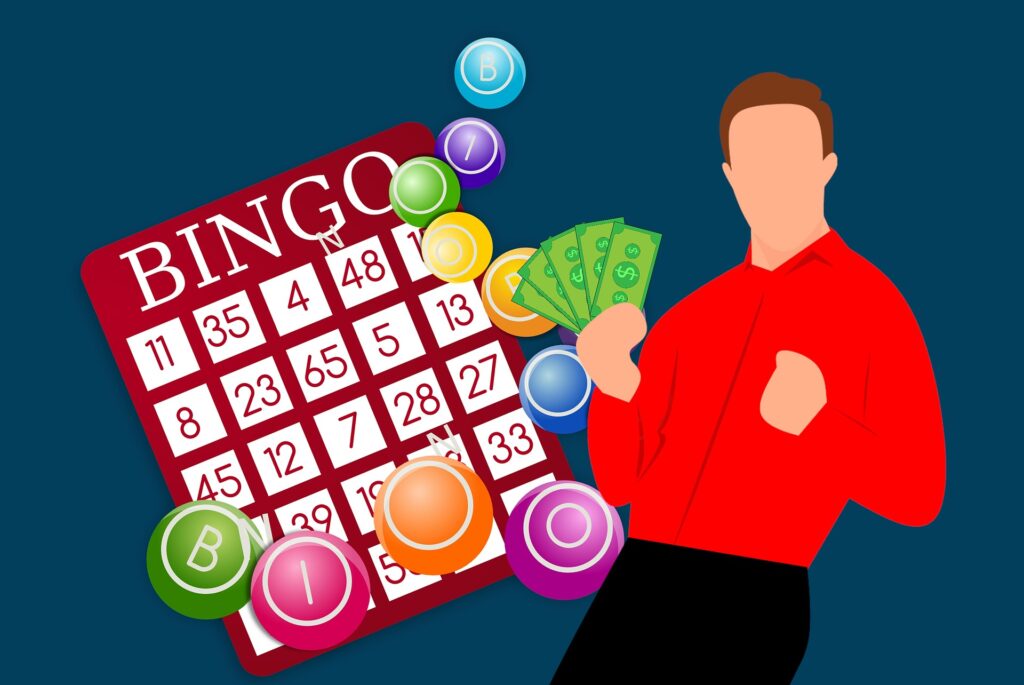
Bingo is one of the most recognized and enjoyable games of chance worldwide. Whether it is played in a community hall, at a family gathering, or through online platforms, the game has maintained its popularity for decades. What makes bingo so enduring is its simplicity combined with the excitement of anticipation. Players wait for their numbers to be called, marking their cards in hopes of completing a winning pattern. This guide explores the history, rules, strategies, and cultural importance of bingo while also offering insights into how to maximize the fun and social connections it brings.
The Origins and Evolution of Bingo
The history of bingo traces back to 16th-century Italy, where a lottery game called “Il Gioco del Lotto d’Italia” was played every week. The concept spread to France, where it was called “Le Lotto” and became popular among the elite. By the 18th century, variations were used in Germany as an educational tool to teach children spelling, numbers, and multiplication tables.
The modern version of bingo as we know it today originated in the United States during the early 20th century. A traveling toy salesman encountered a version of the game at a carnival called “Beano.” Players would mark their cards with beans, and the first person to complete a line would shout “Beano!” Eventually, a player excitedly yelled “Bingo!” instead, and the name stuck.
Understanding the Basic Rules of Bingo
Bingo’s rules are straightforward, making it accessible for players of all ages. A typical game involves the following elements:
-
Bingo Cards: Each card contains a 5×5 grid with random numbers. The center square is often marked as “free,” giving every player a head start toward completing a line.
-
Number Caller: Numbers are drawn randomly, either from a cage of numbered balls or through digital random generators in online versions.
-
Marking Numbers: Players mark numbers on their cards as they are called. The goal is to form specific patterns such as horizontal, vertical, diagonal lines, or in some cases, special shapes like diamonds or letters.
-
Winning: When a player completes the designated pattern, they shout “Bingo!” The game pauses to verify the card before declaring the winner.
Types of Bingo Games
Over time, bingo has developed into several exciting formats. Some of the most popular include:
75-Ball Bingo
Common in North America, this version uses a 5×5 card and requires players to complete different patterns. It is highly flexible and offers a wide range of variations.
90-Ball Bingo
Widely played in the United Kingdom and Australia, this game features a 9×3 card with 15 numbers. Players can win by completing one line, two lines, or a full house.
80-Ball Bingo
Played on a 4×4 grid, this modern version was developed primarily for online platforms. Patterns vary greatly, which keeps the experience dynamic.
Specialty Variations
Some versions use themed cards or creative winning patterns. Seasonal or charity events often introduce unique twists to increase engagement.
Why Bingo Remains Popular
Bingo’s enduring appeal can be attributed to several factors:
-
Simplicity: The game is easy to learn and does not require complex skills.
-
Social Connection: Bingo halls and community centers create opportunities for players to bond, fostering friendships and community spirit.
-
Accessibility: With both offline and online options, anyone can participate regardless of location.
-
Excitement: The suspense of waiting for the next number keeps players engaged and entertained.
Strategies for Playing Bingo
While bingo is primarily a game of chance, there are a few strategies that can help improve the overall experience:
Manage Multiple Cards
Experienced players often buy multiple cards to increase their chances of winning. However, it is important to balance the number of cards with your ability to track them effectively.
Play During Off-Peak Times
If prizes are fixed, playing when fewer people are in the game increases the likelihood of winning. This is particularly effective in local halls or online sessions with smaller attendance.
Choose Cards Wisely
In 90-ball bingo, some players prefer cards with balanced numbers across ranges to avoid clustering. Although this does not guarantee success, it can reduce the risk of missing opportunities.
Stay Focused
Distractions can cause missed numbers. Staying alert is critical, especially when managing multiple cards.
The Social and Cultural Value of Bingo
Bingo is more than just a game; it is a social event that strengthens communities. Senior centers often host bingo sessions to encourage interaction and prevent loneliness. Fundraisers also use bingo as a fun and effective way to raise money for schools, charities, and local projects. The game fosters inclusivity, as people from different generations and backgrounds can easily enjoy it together.
Bingo in the Digital Age
Technology has transformed bingo significantly. Online platforms and mobile apps allow players to enjoy the game anytime and anywhere. These digital versions often introduce unique features such as chat rooms, themed backgrounds, and loyalty rewards, keeping the spirit of social play alive in virtual spaces.
Additionally, live-streamed bingo sessions combine the excitement of real-time interaction with the convenience of digital access. This hybrid format has attracted younger audiences who prefer online entertainment but still enjoy the communal vibe.
Tips for Hosting a Bingo Night
Hosting a bingo event at home, school, or a community center can be a rewarding way to bring people together. Here are some tips:
-
Prepare Enough Cards: Ensure each participant has access to multiple cards if desired.
-
Set Clear Rules: Explain winning patterns and prize distribution before starting.
-
Offer Fun Prizes: Rewards can range from small trinkets to gift vouchers, depending on the event type.
-
Create Atmosphere: Background music, themed decorations, and snacks enhance the experience.
Responsible Bingo Playing
Like any game of chance, bingo should be enjoyed responsibly. Players should set budgets and view the activity as entertainment rather than a guaranteed way to make money. The social aspect should always remain at the center of the experience.
FAQs About Bingo
How many numbers are there in traditional bingo?
In 75-ball bingo, numbers range from 1 to 75. In 90-ball bingo, they range from 1 to 90. The card layout changes based on the version being played.
Can children play bingo?
Yes, bingo is often played as a family activity. For younger children, educational bingo sets focus on letters, pictures, or words instead of numbers.
What does the free space in bingo mean?
The free space is a pre-marked square in the center of the card, giving every player an automatic advantage when forming patterns.
Are online bingo games fair?
Reputable online platforms use random number generators (RNGs) to ensure fairness. It is important to play only on trusted sites to guarantee random outcomes.
Can bingo be played without money?
Absolutely. Many schools, churches, and community centers host free bingo nights where prizes are donated or symbolic. This makes the game accessible to everyone.
What is the largest bingo event ever recorded?
Some of the biggest bingo events have drawn thousands of participants in stadiums and arenas, often tied to charity fundraisers or cultural festivals.
