

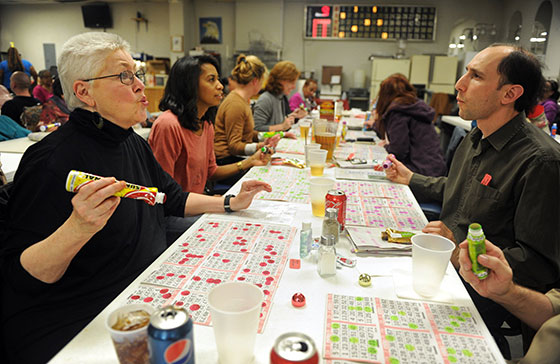
Bingo is one of the most beloved games worldwide, often associated with social gatherings, lively halls, and even online platforms that connect people across distances. Its charm lies in its simplicity, yet the game offers layers of excitement, strategy, and cultural significance. Whether you are new to bingo or an experienced player, understanding the depth of this game will help you enjoy it more fully and even increase your chances of success.
What is Bingo?
Bingo is a game of chance where players mark off numbers on a card as they are randomly drawn. The goal is to complete a specific pattern, most commonly a straight line, before anyone else. The first player to achieve the winning pattern calls out “Bingo” to claim victory. This basic format has remained consistent, but variations, strategies, and cultural contexts make bingo unique across different regions.
The History of Bingo
The origins of bingo trace back to Italy in the 16th century, where it began as a lottery-style game. It spread to France and then to Germany, where it was used as an educational tool to teach numbers and spelling. In the early 20th century, the game was introduced to the United States and adapted into the version we know today. Over the years, it has grown from church basements and community centers into large entertainment venues and digital platforms.
Bingo Basics: How to Play
The Bingo Card
A standard bingo card contains a 5×5 grid with the letters B-I-N-G-O across the top. Each column represents a range of numbers:
-
B: 1 to 15
-
I: 16 to 30
-
N: 31 to 45
-
G: 46 to 60
-
O: 61 to 75
The center square is often a free space, giving players a head start on completing patterns.
The Caller
The caller is the person who randomly selects and announces the numbers. In physical halls, this might involve a rotating cage with numbered balls. Online and electronic bingo use random number generators to ensure fairness.
Winning Patterns
Traditionally, players win by completing a straight line horizontally, vertically, or diagonally. However, modern variations include:
-
Four corners
-
Full house (covering the entire card)
-
Special themed patterns (shapes like a diamond or X)
Calling Bingo
Once a player completes the required pattern, they must call out “Bingo” before the next number is drawn. Verification then occurs to confirm the win.
Popular Variants of Bingo
Bingo is not limited to the classic 75-ball game. Depending on where you play, you may encounter different styles:
-
90-Ball Bingo: Popular in the UK, played with three-row tickets and multiple winning stages (one line, two lines, full house).
-
80-Ball Bingo: Played on a 4×4 card, often in online formats, with unique patterns.
-
30-Ball Bingo: A fast-paced version with smaller cards, ideal for quick games.
-
Themed Bingo Nights: Creative versions featuring trivia, music, or interactive elements.
Strategies for Playing Bingo
While bingo is primarily a game of chance, certain strategies can improve your experience:
1. Card Management
-
Play multiple cards to increase your chances, but ensure you can keep track of them all.
-
Some digital platforms offer automatic marking, which allows you to play more cards without missing numbers.
2. Game Selection
-
Join games with fewer players for better odds of winning.
-
Explore different variations to find the ones you enjoy most.
3. Timing and Frequency
-
Playing at off-peak hours can give you an advantage since fewer participants mean less competition.
-
Consistent participation helps you become familiar with the pace and rules of different games.
4. Social Engagement
-
Engaging with fellow players creates a more enjoyable experience.
-
Social interaction is often just as rewarding as the game itself.
The Social and Cultural Side of Bingo
Bingo is more than just numbers on cards; it is deeply tied to community life. In many towns, bingo nights are social events that bring together friends, neighbors, and families. Churches and local organizations often use bingo as a fundraiser, while senior centers incorporate it as a recreational activity that fosters connection and mental stimulation.
The move to online bingo has also transformed the game into a global activity. Virtual bingo rooms allow people to play with others from different countries, creating a modern twist on the traditional social setting.
Bingo in the Digital Age
Technology has expanded the reach of bingo significantly. Mobile apps, websites, and live-streamed events make the game accessible anytime and anywhere. Key features include:
-
Interactive chat rooms
-
Customizable avatars
-
Bonuses and rewards systems
-
Themed rooms catering to different interests
This modernization has made bingo appealing to younger generations while still preserving its nostalgic appeal.
Benefits of Playing Bingo
Beyond entertainment, bingo offers several personal benefits:
-
Cognitive Stimulation: Keeping track of numbers and patterns exercises the brain.
-
Stress Relief: The lighthearted nature of the game makes it a fun escape from daily life.
-
Social Bonding: Whether in person or online, bingo fosters connections.
-
Accessibility: Easy-to-learn rules make it inclusive for all ages.
Real-Life Bingo Etiquette
To fully enjoy bingo, it’s important to follow certain unwritten rules:
-
Respect the caller by staying quiet during number announcements.
-
Double-check your card before calling “Bingo” to avoid false claims.
-
Be courteous to other players, whether in person or online.
The Future of Bingo
As technology continues to evolve, bingo will likely blend even further with digital entertainment. Augmented reality, live video hosting, and interactive rewards systems are shaping the next generation of the game. Despite these advancements, the heart of bingo remains its community-driven spirit and universal accessibility.
FAQ Section
Is bingo purely luck-based, or can skill play a role?
Bingo is mainly a game of chance, but skill comes in when managing multiple cards, choosing less crowded games, and staying attentive during play.
What are the differences between online and in-person bingo?
In-person bingo emphasizes physical interaction and community, while online bingo offers convenience, variety, and features like automatic card marking.
How can beginners start playing bingo?
Beginners should start with a single card in a traditional 75-ball game, gradually exploring different variations as they gain confidence.
Are there health benefits to playing bingo?
Yes, bingo can improve focus, memory, and social interaction, which are especially beneficial for older adults.
Why is bingo popular among seniors?
It’s easy to learn, fosters social connections, and provides mental engagement without physical strain.
Can children play bingo?
Yes, child-friendly versions of bingo exist that use pictures, colors, or words, making it an educational and fun activity.
