

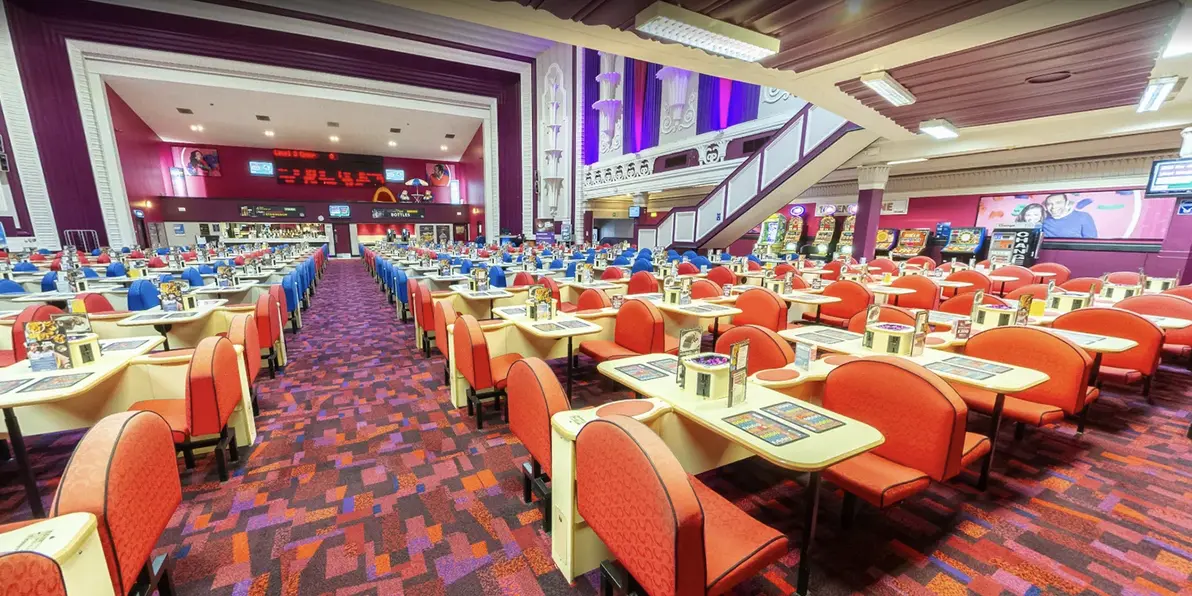
Bingo is often seen as a simple game of chance, but its story is far richer than many people realize. What began as a centuries-old lottery-style pastime has evolved into a global entertainment industry spanning community halls, casinos, and digital platforms. The journey of bingo reflects broader changes in society, technology, and how people gather for fun.
Early Origins of Bingo
The roots of bingo can be traced back to 16th-century Europe, where a lottery-style game known as Il Gioco del Lotto d’Italia gained popularity. This early version laid the foundation for many number-based games that followed.
Over time, similar formats appeared across the continent. In 18th-century France, the game evolved into Le Lotto, enjoyed primarily by the aristocracy. These early versions already featured recognizable elements of modern bingo, such as numbered cards and randomly drawn numbers.
Bingo’s Arrival in Britain and Community Life
By the 19th century, bingo-like games had reached Britain, where they found a strong foothold in church halls and community centers. The game was simple, inexpensive, and easy to organize, making it ideal for fundraising and social gatherings.
Key reasons for its popularity included:
-
Accessibility for all age groups
-
Low cost to participate
-
A strong sense of community bonding
During this period, bingo was less about prizes and more about social interaction, conversation, and shared excitement.
The American Transformation of Bingo
Bingo crossed the Atlantic in the early 20th century, initially appearing at fairs and carnivals in the United States. The game was originally called “Beano,” named after the beans used to mark numbers on cards.
A pivotal moment came when standardized rules were introduced, including the now-familiar 5×5 bingo card with a free center space. This structure helped bingo spread rapidly across the country.
Bingo in Churches and Charitable Fundraising
One of bingo’s most enduring roles has been in charitable fundraising, particularly for churches and non-profit organizations. Its appeal was clear:
-
It attracted large groups
-
It encouraged repeat participation
-
It required minimal equipment
For decades, bingo nights became a staple event, blending entertainment with purpose and reinforcing its reputation as a wholesome, community-focused game.
The Casino Era and Commercial Expansion
By the mid-20th century, bingo began appearing in casinos and commercial halls, particularly in regions where gambling laws allowed it. Larger venues introduced:
-
Higher prize pools
-
Electronic number displays
-
Dedicated callers and hosts
This marked a shift from purely social play to a more entertainment-driven experience, attracting a broader audience.
The Rise of Online Bingo Platforms
The late 1990s and early 2000s brought the most dramatic transformation in bingo’s history: the move to the internet. Online bingo platforms removed geographical barriers, allowing players to join games from anywhere.
Digital bingo introduced several innovations:
-
Automated number calling
-
Multiple games played simultaneously
-
Integrated chat rooms for social interaction
-
Themed rooms and bonus features
Despite the technological shift, online bingo retained the game’s social core, often recreating the friendly atmosphere of traditional halls.
Mobile Bingo and Modern Trends
With the rise of smartphones, bingo became even more accessible. Mobile platforms allowed players to enjoy quick games on the go, leading to a new generation of bingo enthusiasts.
Modern bingo trends include:
-
Live-hosted online games
-
Hybrid formats blending slots and bingo mechanics
-
Enhanced graphics and interactive features
These innovations show how bingo continues to adapt while preserving its essential simplicity.
Bingo’s Enduring Appeal
From church halls to digital screens, bingo’s longevity lies in its balance of chance, simplicity, and community. Few games have managed to remain relevant across centuries while continually reshaping themselves to fit new cultural and technological contexts.
Bingo’s history is not just about numbers—it’s about people coming together, whether in a small hall or a global online room, sharing moments of anticipation and joy.
Frequently Asked Questions (FAQ)
1. When was bingo first played?
Bingo’s earliest known origins date back to the 16th century, evolving from European lottery-style games.
2. Why was bingo so popular in church halls?
Its low cost, simple rules, and strong social element made it ideal for community gatherings and fundraising events.
3. What is the difference between Beano and bingo?
Beano was an early American version of the game, using beans to mark numbers before the name “bingo” became standard.
4. How did online bingo change the game?
Online bingo introduced automated systems, global participation, and digital social features while maintaining traditional gameplay.
5. Is bingo purely a game of luck?
Yes, bingo outcomes are based entirely on chance, with no skill involved in number selection.
6. Why does bingo appeal to such a wide age range?
Its easy-to-understand rules, social interaction, and adaptable formats make it enjoyable for both younger and older players.
7. What does the future of bingo look like?
The future likely includes more immersive digital experiences, live-hosted games, and continued integration with mobile technology.
