

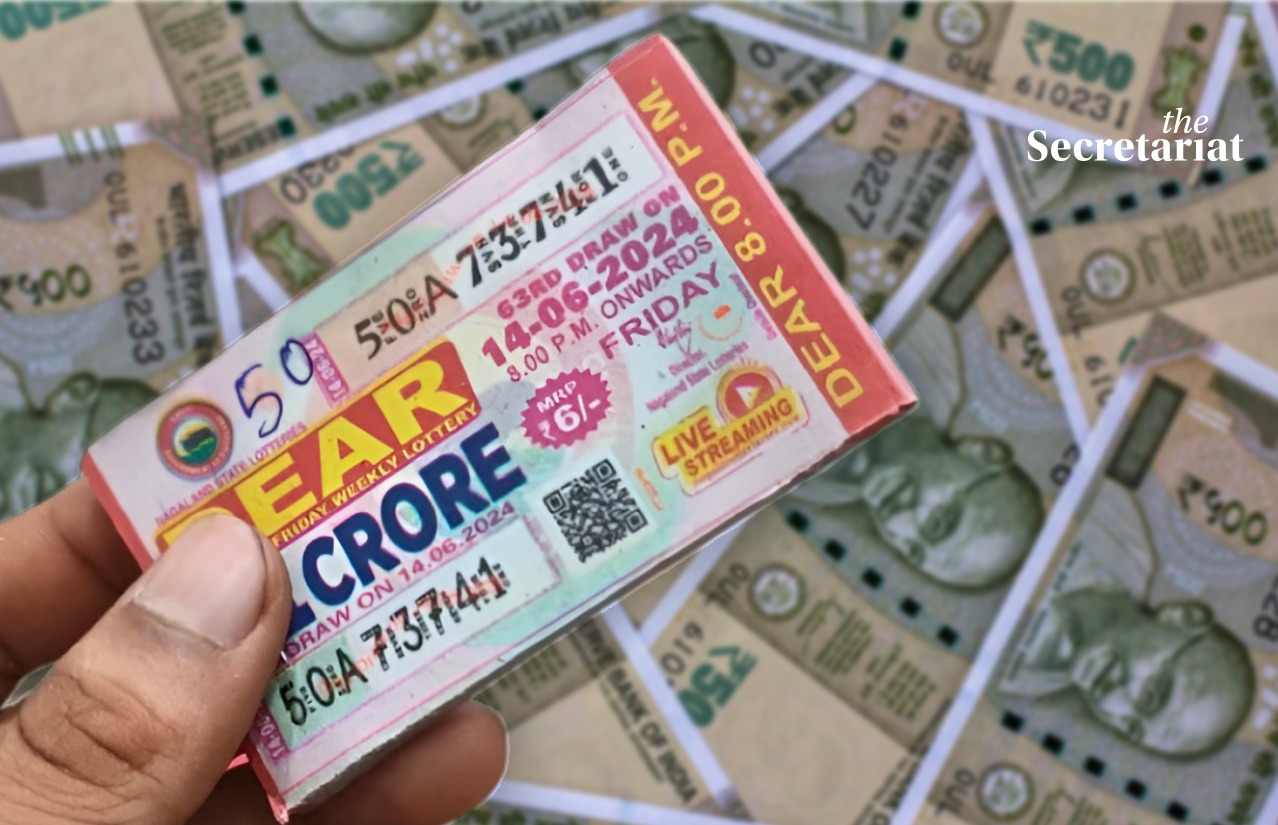
Introduction to Lottery
The lottery is one of the oldest and most popular forms of gambling, practiced worldwide as both entertainment and a means of raising funds for public projects. In simple terms, a lottery involves purchasing a ticket for a chance to win a prize, usually determined through a random draw. Today, lotteries range from local community raffles to massive national and international jackpot games that capture the imagination of millions. For many, the lottery represents not just the potential of winning life-changing money but also the thrill of anticipation.
The History of Lottery
Lotteries have a fascinating history that dates back thousands of years. The earliest known lotteries were organized in ancient China around 205 BC, believed to have helped fund the Great Wall. In Europe, Roman emperors held lotteries to distribute property and slaves, while later, during the Renaissance, lotteries became a tool for financing state projects like bridges, roads, and universities. The tradition eventually made its way to America, where lotteries funded early colonial settlements and even supported revolutionary war efforts.
How Modern Lotteries Work
Modern lotteries operate on a system of chance combined with strict regulations. Players purchase tickets containing unique numbers or symbols. Draws are held at predetermined times using mechanical machines or digital random number generators to ensure fairness. To win, players must match their chosen numbers with those drawn.
Common Lottery Formats
-
Number Draws: Players select numbers from a set range (such as 1 to 50). Matching all drawn numbers secures the jackpot.
-
Scratch Cards: Instant-win tickets where players reveal hidden symbols or amounts by scratching a surface.
-
Raffles: Each ticket carries a unique code, and winners are selected at random.
-
Daily and Weekly Draws: Frequent games that offer smaller but more attainable prizes.
The Appeal of the Lottery
The lottery remains popular because it offers hope, excitement, and the dream of financial freedom for a relatively small investment. Some of the key appeals include:
-
Low Entry Cost: Tickets are generally inexpensive compared to the potential prize.
-
Life-Changing Jackpots: Major lottery prizes can transform winners overnight.
-
Accessibility: Available in many regions both in physical stores and through digital platforms.
-
Entertainment Value: For many, the lottery is a form of fun and leisure.
Odds and Probability
Understanding the odds is crucial when playing the lottery. The chance of winning depends on the format and number of possible combinations. For example, in a 6/49 lottery, where players select 6 numbers from 49, the odds of winning the jackpot are 1 in 13,983,816. While the odds may be steep, smaller prizes often provide better chances.
Key Points About Lottery Odds
-
Large jackpots often mean lower chances of winning.
-
Smaller regional lotteries may have more favorable odds.
-
Many games offer secondary prizes, increasing chances of a partial win.
Responsible Lottery Play
While the lottery can be enjoyable, it is important to approach it responsibly. Overspending or relying on the lottery as a financial plan can lead to disappointment and financial strain. Here are a few tips for responsible play:
-
Set a budget for ticket purchases and stick to it.
-
Treat the lottery as entertainment, not an investment.
-
Avoid chasing losses or spending more than you can afford.
-
Remember that the lottery is based entirely on chance.
The Role of Lottery in Society
Beyond personal enjoyment, lotteries play a significant role in funding public programs. Many governments use lottery revenue to support education, healthcare, infrastructure, and social welfare projects. This dual purpose makes the lottery both a source of entertainment and a contributor to community development.
Famous Lottery Wins
Some of the biggest lottery stories highlight how life can change in an instant. From record-breaking jackpots to unusual tales of winners, these examples keep the dream alive for millions. Notably, multi-million-dollar winners often gain public attention, inspiring countless others to try their luck. However, the stories also show the importance of financial planning, as sudden wealth can be both a blessing and a challenge.
Strategies Players Use
Although winning is ultimately random, many players adopt strategies they believe may increase their chances:
-
Consistent Numbers: Playing the same set of numbers each time.
-
Quick Picks: Allowing the system to randomly generate numbers.
-
Syndicates or Pools: Groups of people buying tickets together to increase odds, then sharing winnings.
-
Frequency Analysis: Choosing numbers based on past draw patterns, though statistically, each draw remains independent.
The Psychology Behind Playing the Lottery
The psychology of lottery participation is rooted in hope, optimism, and imagination. Players often envision how their lives would change with a win, fueling excitement and anticipation. This emotional aspect explains why millions continue to participate despite the low odds.
The Future of Lottery
The lottery industry continues to evolve with technology. Online platforms, mobile apps, and digital draws have made participation easier than ever. Future trends point toward more interactive lottery experiences, bigger global jackpots, and increased transparency through blockchain technology. These advancements will likely make the lottery even more appealing to younger generations.
FAQs About Lottery
What is the difference between a raffle and a lottery?
A raffle assigns each ticket a unique number, and winners are drawn directly from those numbers. A lottery typically involves players choosing numbers from a set range, with winning combinations drawn separately.
Can you improve your chances of winning the lottery?
No strategy can guarantee a win since draws are random. However, joining a lottery pool or choosing games with smaller number ranges may slightly improve odds.
What should you do if you win the lottery?
The best steps include remaining anonymous if possible, consulting a financial advisor, paying off debts, and making a long-term financial plan before spending.
Are lottery winnings taxed?
In many countries, yes. Tax laws vary by location, but large wins may be subject to federal, state, or local taxes.
Is it better to take a lump sum or annuity payment?
This depends on personal financial goals. A lump sum provides immediate access to funds, while annuities ensure steady income over time.
Why do people play the lottery despite low odds?
People play because of the entertainment value, the small investment required, and the dream of a big win. The emotional reward of imagining a better life often outweighs the rational understanding of low odds.
